Jump to Section:
How Do You Create a Hero?
The traditional hero fights with honor and will never hit an opponent when he is down. He almost always makes the right decisions, is a friend to all on his side, and is a generally well-rounded character. The hero fights on the side of obvious good, and often (though not always) will be the leader of a ragtag bunch of misfits.
He will always win his fights, and if he doesn’t, you can count on there being a rematch later in the story, which he will win. His intentions are pure and he’s nigh-incorruptible.
Basically, you know a traditional hero when you see one.
https://thewritepractice.com/heroes-vs-anti-heroes-which-is-right-for-your-story/
So what are the critical ingredients needed to create a hero?
A purpose
Every hero needs to have a goal. If we don’t understand (from pretty early on) what it is your hero wants then we can’t begin to invest in them. Whatever they want, and whatever they are trying to achieve is at the heart of your story. Without a goal, the story has no direction. So let the audience know as soon as possible what it is that your hero desires.
Likability
Your hero doesn’t have to be perfect. In fact, it’s quite appealing for them to be flawed in some way. What is important however is to make them likable. If your reader doesn’t like your hero, they will find it increasingly difficult to care what happens to them, and if they don’t care what happens then, they will find it hard to engage with the plot and may give up on your book altogether.
Believability
Your hero has got to be believable. That’s not to say they can’t have superpowers or be able to perform magic; it’s just that your reader needs to feel as though the hero of your story is real. If they are kept at a distance or written in such a way that they don’t seem so, again your reader will struggle to connect, and if they don’t care about your hero, they won’t care about your story either.
Growth and change
Every hero who sets out on their journey has to go through a significant change. Rarely are characters the same at the start of a story as when it comes to a close. Learning something, growing in some way, being able to accept their fate – these are all changes that should be reflected in a hero’s character and written into your story.
The role of a villain is to get in the way of your hero’s journey and create conflict. When boiled down to the absolute basics, if your hero has a goal and is trying to achieve it, the villain has the opposite goal and is trying to stop it – who will win out in the end?
https://writerslife.org/how-to-create-heroes-and-villains/
General differences between a hero and an anti-hero, and how an anti-hero is the antithesis of a traditional hero:
- A hero is an idealist.
- An anti-hero is a realist.
- A hero has a conventional moral code.
- An anti-hero has a moral code that is quirky and individual.
- A hero is somehow extraordinary.
- An anti-hero can be ordinary.
- A hero is always proactive and striving.
- An anti-hero can be passive.
- A hero is often decisive.
- An anti-hero can be indecisive or pushed into action against his will.
- A hero is a modern version of a knight in shining armor.
- An anti-hero can be a tarnished knight, and sometimes a criminal.
- A hero succeeds at his ultimate goals, unless the story is a tragedy.
- An anti-hero might fail in a tragedy, but in other stories he might be redeemed by the story’s events, or he might remain largely unchanged, including being immoral.
- A hero is motivated by virtues, morals, a higher calling, pure intentions, and love for a specific person or humanity.
- An anti-hero can be motivated by a more primitive, lower nature, including greed or lust, through much of the story, but he can sometimes be redeemed and answer a higher calling near the end.
- A hero is motivated to overcome flaws and fears, and to reach a higher level. This higher level might be about self-improvement, a deeper spiritual connection, or trying to save humankind from extinction. His motivation and usually altruistic nature lends courage and creativity to his cause. Often, a hero makes sacrifices in the story for the better of others.
- An anti-hero, while possibly motivated by love or compassion at times, is most often propelled by self-interest.
- A hero (usually when he is the star of the story in genre fiction, such as Westerns) concludes the story on an upward arc, meaning he’s overcome something from within or has learned a valuable lesson in the story.
- An anti-hero can appear in mainstream or genre fiction, and the conclusion will not always find him changed, especially if he’s a character in a series.
- A hero always faces monstrous opposition, which essentially makes him heroic in the first place. As he’s standing up to the bad guys and troubles the world hurls at him, he will take tremendous risks and sometimes battle an authority. His stance is always based on principles.
- An anti-hero also battles authority and sometimes go up against tremendous odds, but not always because of principles. His motives can be selfish, criminal, or rebellious.
- A hero simply is a good guy, the type of character the reader was taught to cheer for since childhood.
- An anti-hero can be a bad guy in manner and speech. He can cuss, drink to excess, talk down to others, and back up his threats with fists or a gun, yet the reader somehow sympathizes with or genuinely likes him and cheer him on.
- A hero can be complex, but he is generally unambivalent; an anti-hero is a complicated character who reflects the ambivalence of many real people.
- An anti-hero’s actions and ways of thinking demand that the reader think about issues and ask difficult questions.
https://kathytemean.wordpress.com/2013/09/23/hero-vs-anti-hero/
Heroes And Anti-Heroes – What’s The Difference?
The Hero
According to the dictionary a hero is ‘a person who is admired for their courage, outstanding achievements, or noble qualities’. A fiction hero is a ‘character in a book, play, or film, who is typically identified with good qualities, and with whom the reader is expected to sympathise’.
The Anti-Hero
The anti-hero is ‘a central character in a story, film, or drama who lacks conventional heroic attributes’. These missing attributes include idealism, courage, and morality. Anti-heroes can sometimes do the right thing, but it is usually because it serves their interests to do so.
Anthony Ehlers compiled this list as a guide for aspiring writers.

https://www.writerswrite.co.za/heroes-and-anti-heroes-whats-the-difference/
Why We Replaced Heroes with Antiheroes
We often use the word “hero” to describe the main character of a story. But since the 19th Century, our most popular stories usually aren’t about heroes.
Instead, they’re about anti-heroes.
So what’s the difference, and why are traditional “heroes” getting so hard to find?
To understand this, we first need to answer a surprisingly complicated question:
What Makes a Hero?

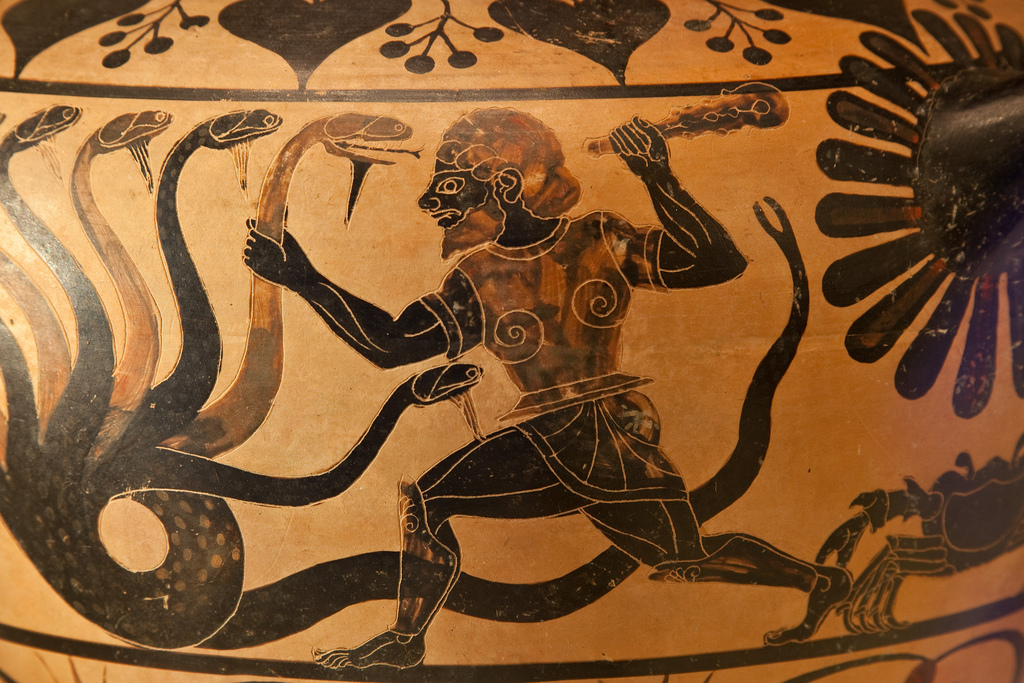
The word “hero” derives from the Greek term for “defender” or “protector.”
The ancient Greeks told epic stories of legendary heroes like Achilles, Odysseus, and Heracles (or, in Roman, Hercules). These heroes usually shared three traits:
- They were the mortal descendants of gods
- They were exceptional above all other men regarding some particular skill
- As mortals, they were destined to die
Thus, both bravery and tragedy are interwoven in the source code for a hero: their exceptionalism makes them capable of incredible feats, but their mortality means they can’t live forever, so every fantastic risk they take could be their last. Their vulnerability makes every risk they do take feel more dramatic, rather than seeming like an easy and inevitable win.
(That’s why even gods like Thor end up feeling surprisingly relatable.)
Centuries later, we’ve departed from the idea that heroes are children of gods, but their exceptionalism remains.


We rarely tell stories about “normal” people. Instead, we tell stories about people who may appear to be normal, but whose exceptional abilities enable them to achieve feats that normal people never could. (Think of Sherlock Holmes, Harry Potter, or Katniss Everdeen.)
We also tell stories about super-heroes, a 20th Century update to Greek myths in which men and women are granted godlike powers through science, magic, or mutation, rather than through divine intervention.
But even our super-heroes are not all “heroes” in the traditional sense.
That’s because a classic hero also requires a clear code: to boldly stand FOR something, which requires clearly and simultaneously standing AGAINST its opposite.

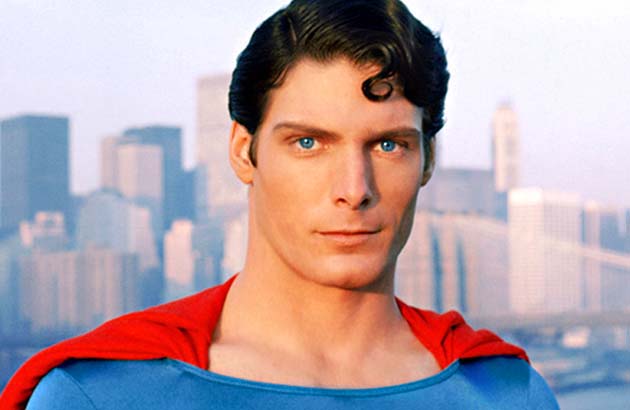
Superman, Wonder Woman, and Captain America are designed to be classic heroes. They stand for truth, justice, and the idealized equality of the American dream. This means that, by definition, they also stand against dishonesty, corruption, and the abuse of power.
Heroes also possess one more defining quality that separates them from anti-heroes.
The rise of the anti-hero mirrors the rise of postmodernism in America.
When you believe in clear ideals, it’s easy to have heroes. But when you start to deconstruct society, government, and media, seeing anything other than a grey area becomes increasingly difficult to the point that having unshakable beliefs seems childish and corny.
In other words: to be a modern “hero” means embracing ambiguity and rejecting sincerity…
… which means all modern heroes are really anti-heroes.
Heroes Masquerading as Anti-Heroes
What do you do when sincerity is considered an unrelatable flaw?
You dress it up in black.


In the story problem-filled Jurassic World franchise, Owen Grady is infallible. He’s tough, smart, athletic, virtuous, and never, ever wrong… so, naturally, he’s presented as a “bad boy.” He’s not big on technology. He likes the simple things in life. He rides a motorcycle.
Owen is a classic hero, forced to masqerade as an antihero with a Han Solo vest and a Clint Eastwood scowl.
Or take the Deadpool franchise, in which a meta-motormouthed cartoonish assassin — who’s essentially a villain who’s only considered a hero because the people he kills are worse than he is — secretly believes in things like family, love, and protecting the innocent. He just has to hide those values and vulnerabilities behind an insurmountable wall of detached sarcasm… kind of like everyone you’ve ever dated, amirite?

It’s no surprise that Deadpool 2, the ultra-violent R-rated superhero action comedy with the heart of a cartoon puppy, has a tone problem
Likewise, the entire Fast and Furious franchise is built around a gang of criminal street racers who also happen to believe that the honor of family bonds are unbreakable. This makes them more virtuous than any of the law enforcement agents they face, and even converts their enemies to their side.
And perhaps the most obvious masquerading “anti-hero” of all is The Rock.

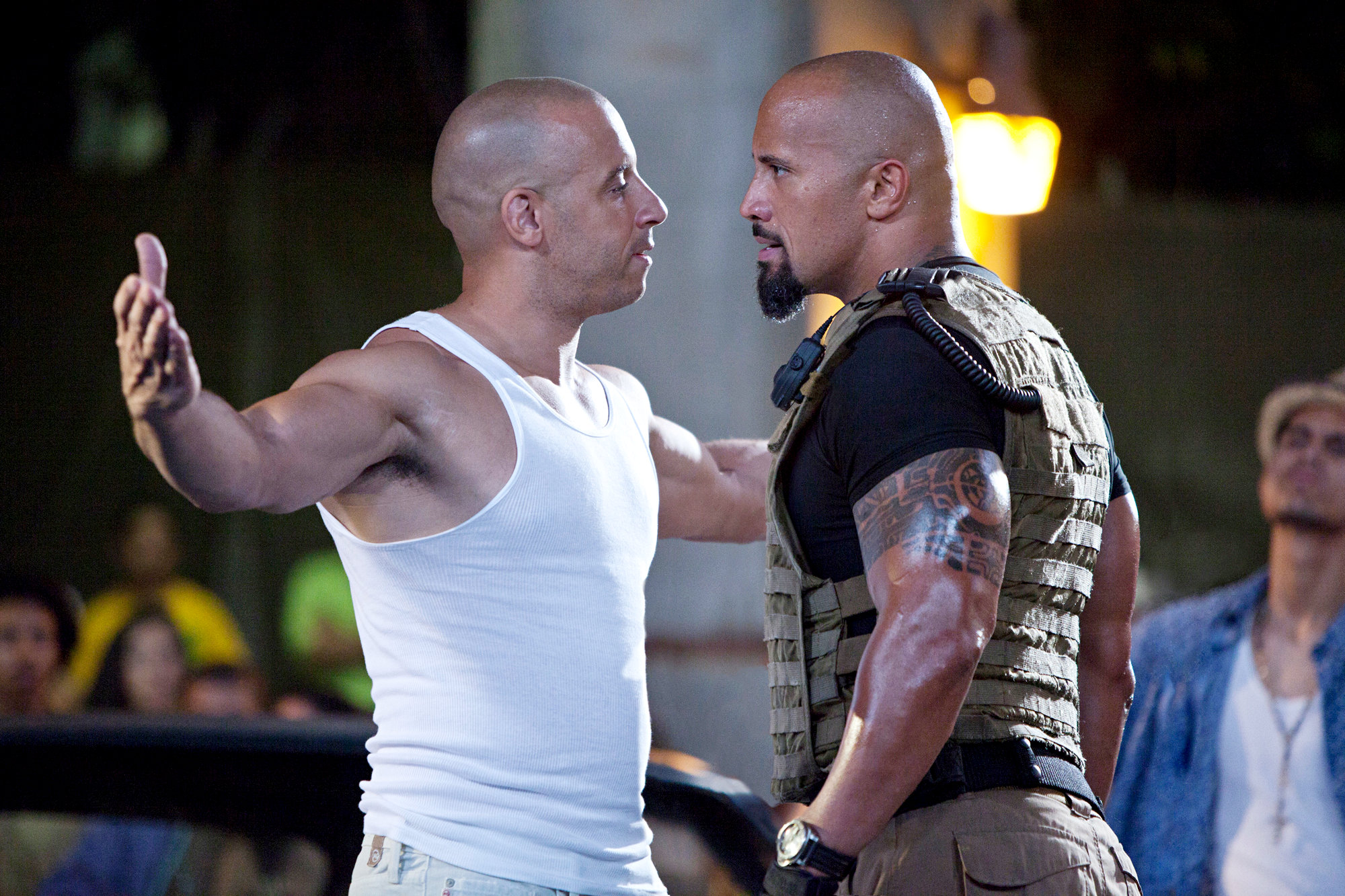
Throughout his filmography, Dwayne Johnson has almost always played characters with clear moral codes and “strong daddy” swagger. (Think Roadblock in G.I. Joe, Hobbs in the Fast and Furious franchise, and his one-legged family-defending supersoldier in the weirdly fascinating Skyscraper.)
The Rock is about as classic as an American hero can get. But because we live in the age of the anti-hero, where truth, justice, and the American way is either considered quaint, myopic, embarrassingly sincere, or a weaponizable ideology for extremism, Johnson cloaks his heroism behind the raised eyebrow and scowl of rugged individualism. Will he always do the right thing? Absolutely. He just needs to look like he’s a badass while doing it, because someone told the marketing department that no one likes a kind and gentle Superman anymore.
But life is a pendulum, and the popularity of these faux-antiheroes who smuggle classic hero tropes in the guise of self-interest suggests that the pendulum may be starting to swing back.
So, are we culturally ready for…
The Return of the Pure Hero?
The first sign that audiences never really lost their appetite for unironic heroes was the unquenchable popularity of the Harry Potter franchise.
Harry is a lot of things, but hip and ironic is canonically not one of them.

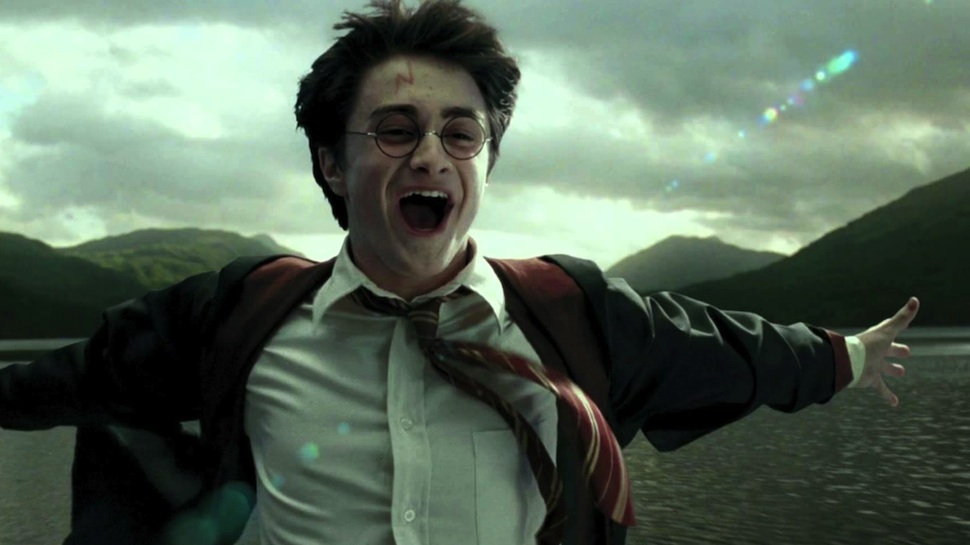
Instead, Harry Potter is a pure classic hero: he stands for what he believes in, and he only breaks the rules to achieve his goals when it becomes clear to him that the rules and the systems he believes in have become inescapably corrupt. But when he does break the rules, he doesn’t do it ironically, or sarcastically, or while demeaning the idea of a system; he does it in the hopes that a pure and just system can be restored once the corruption is removed.
Harry’s contemporary in Westeros is Jon Snow.

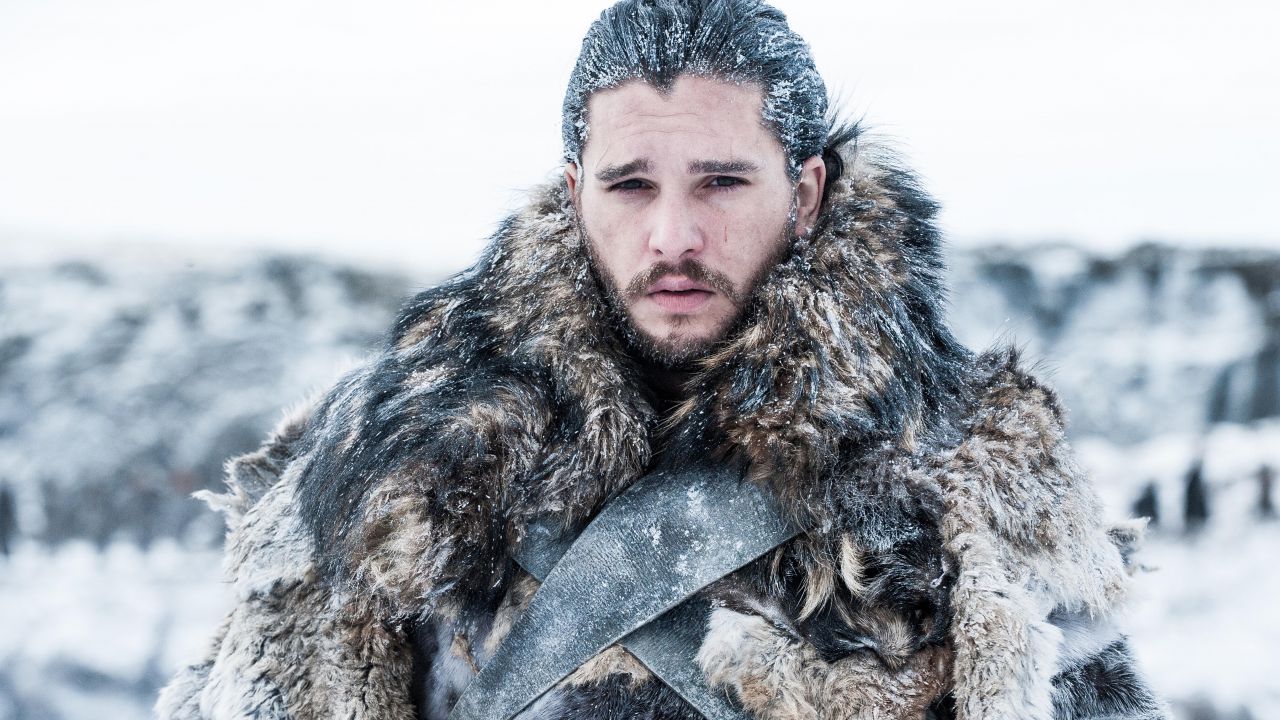
While his unwavering adherence to truth and honor would seem to make Jon Snow one of the less interesting characters in Game of Thrones, the opposite is true: his refusal to bend the rules and his implicit trust in the benevolence of others is not just his defining trait, but it also means he’s taking daily risks in a world where everyone else is willing to lie and betray each other just to stay alive.
And Warner Bros. finally got a DC character right with Patty Jenkins‘s Wonder Woman.

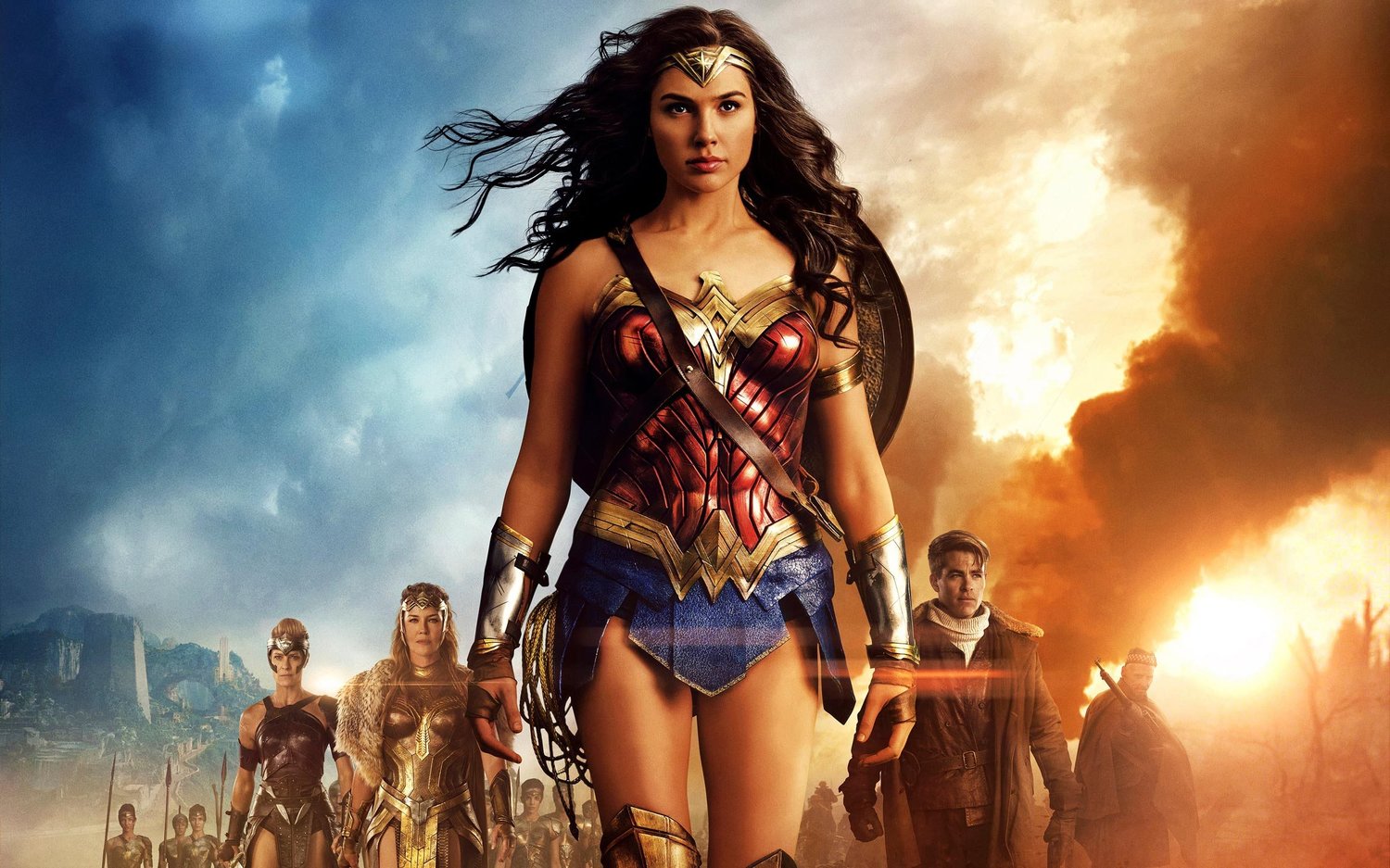
Instead of changing the essence of Wonder Woman’s character, the film leans into it by positioning Diana as a selfless idealist whose core value is protecting others. To hedge their bets, the film surrounds her with a supporting cast of antihero scoundrels whose doubts and flaws serve as a contrast to Diana’s clear-eyed focus.
This results in perhaps the most heroic moment in a DC film yet, in which Diana strides across a “no man’s land” to end a deadly military stand-off and bring peace to an occupied village — the literal Greek definition of heroism.
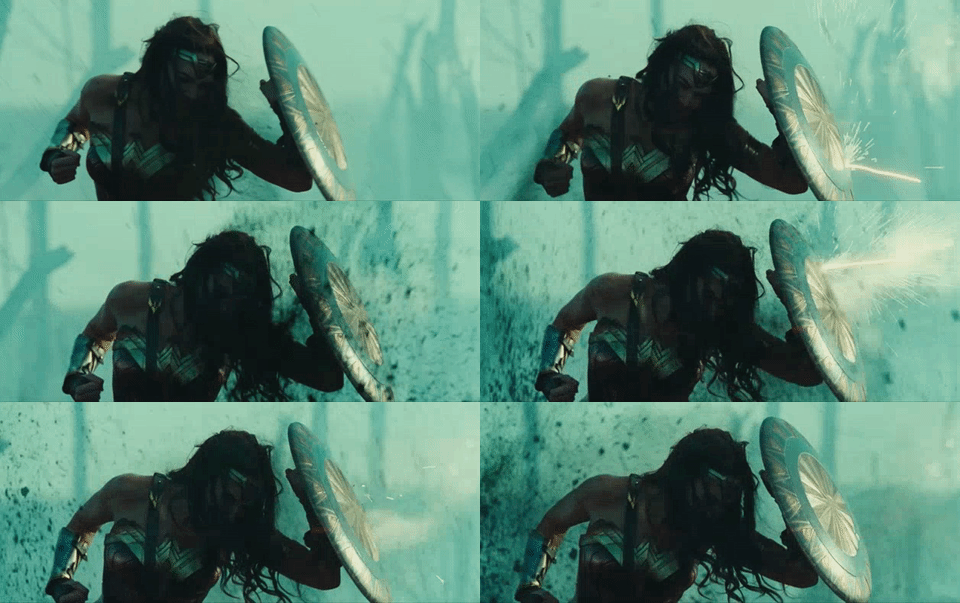
(Meanwhile, does The Snyder Cut of Justice League depict Wonder Woman any better than the Joss Whedon cut? Well… it’s complicated.)
Even Marvel, who currently owns the global box office after cornering the market on antiheroes, seems ready to lean into classic heroism.
After building their empire on the back of Tony Stark and the Iron Man franchise, Marvel wisely noticed that the counterpoint sincerity of Captain America proved today’s audiences are still willing to show up for characters who proudly and openly live their code. This allowed them to fill Black Panther with forthright statements about honor, justice, and man’s obligation to his fellow man without needing to temper those moments with an ironic wink to the audience.
And maybe the most overtly classic hero of them all is — ironically enough — the one who started Marvel’s DC-disrupting anti-hero movement in comics 50 years ago.

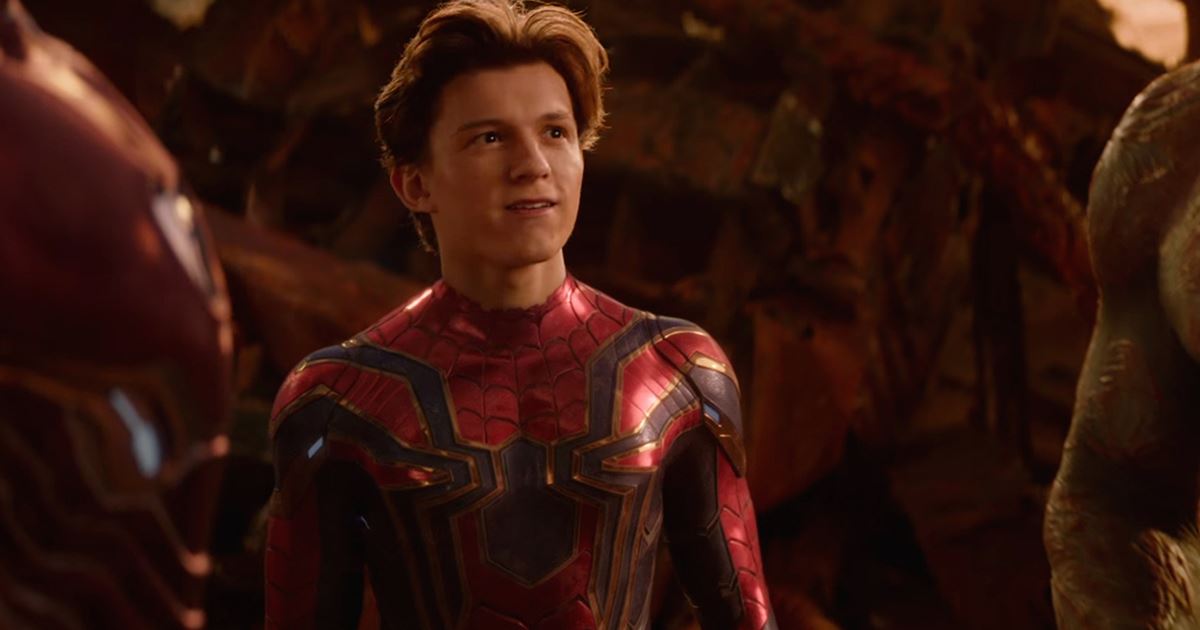
In a not-so-friendly neighborhood.
Tobey Maguire played Spider-Man with a gee-whiz thrill, but the Sam Raimi era of Spider-Man was still filled with sly winks and nods, as if we were all “in on the joke” that Spider-Man was a purist. It was a tentative step toward (and admittedly the truest on-screen incarnation yet of) the character’s irreverent underdog roots.
But Tom Holland‘s version of Spider-Man is notably different.
He’s boyish, whimsical, and seems genuinely awed by what he’s doing as he does it. He’s eager to please, he craves validation, and he’s incapable of refusing to do the right thing — he’s basically a puppy in a costume. And that kind of unabashed joy at being a hero has been sorely missing from superhero films in particular, and in American cinema in general, at least since Bruce Willis‘s pure-hearted grumbler John McClane morphed from underdog to invulnerable over the course of the Die Hard series.
It’s also what makes the final moments of Avengers: Infinity War so powerful: it feels like we just got to see what uncompromised heroism looks like for the first time in so long, only to have it snatched away by the whims of a cruel universe.
But if trends really are a pendulum, we may yet see the return of heroism and sincerity on its own terms, rather than feeling obliged to show up disguised in sarcasm and defensive irony.
Especially if the Avengers have anything to say about it.
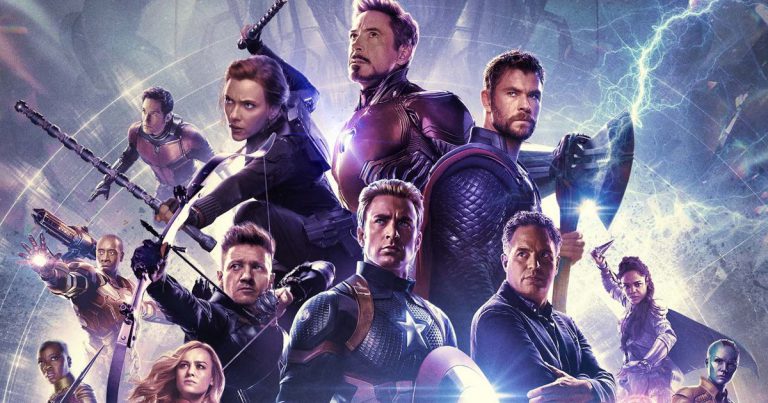
Avengers: Endgame owes its success to one word: character.
http://www.justinkownacki.com/why-we-replaced-heroes-with-antiheroes/

 KC Storytellers